Darknet Markets 2026:
The dark web is part of the deep web but is built on darknets: overlay networks that sit on the internet but which can't be accessed without special tools or software like Tor. Tor is an anonymizing software tool that stands for The Onion Router — you can use the Tor network via Tor Browser.
| Darknet Market | Established | Total Listings | Link |
|---|---|---|---|
| TorZon Market | 2022 | 140+ | Onion Link |
| Nexus Market | 2024 | 600+ | Onion Link |
| Abacus Market | 2022 | 100+ | Onion Link |
| Ares | 2026 | 100+ | Onion Link |
| Cocorico | 2023 | 110+ | Onion Link |
Updated 2026-10-25
How Forums and Link Lists Keep You Connected to Reliable Darknet Markets
Accessing the darknet for commerce begins with locating functional entry points, as standard search engines do not index these services. Forums dedicated to darknet discussions serve as primary hubs for this activity. Experienced users frequently share and verify updated marketplace URLs, creating a community-driven mechanism to circumvent the frequent takedowns or domain changes that these platforms undergo. These forums often categorize links by market reputation and stability, allowing new users to identify established venues quickly.
Alongside forums, specialized index sites and link lists act as curated directories. These sites aggregate working links, providing a more streamlined approach than sifting through forum posts. The reliability of an index site is itself built on user feedback, with the most trusted lists being those that are regularly updated and which clearly mark links that are newly added or experiencing issues. This ecosystem of forums and indices effectively decentralizes the discovery process, ensuring that a single point of failure does not prevent access to darknet commerce.
The process naturally filters for quality. A marketplace link that remains consistently active and promoted across multiple independent forums and reputable indices gains credibility. This persistent visibility is a strong indicator of operational security and administrative competence, suggesting a platform capable of maintaining service. Consequently, the collective action of the community in sharing links does more than provide access; it performs an initial, crowd-sourced vetting of market stability and trustworthiness, directing traffic toward platforms that are better prepared for sustained operation.
How Darknet Markets Make Buying Drugs Safe and Easy
Accessing a specialized darknet marketplace begins with obtaining a working link, which serves as the gateway. These links are ephemeral, changing frequently to maintain operational security. Users typically find them through dedicated forum threads or index sites that aggregate verified URLs. The process is straightforward:
1. A user visits a trusted forum or index.
2. They locate the most recent, verified link for their target marketplace.
3. Using the Tor browser, they enter the provided .onion address.
Upon entry, the marketplace structure is immediately apparent. These platforms are organized with a focus on user experience and transactional efficiency. Product listings are categorized with precision, often featuring:
- High-resolution photographs of the goods.
- Detailed descriptions of purity, origin, and weight.
- Clear pricing in cryptocurrency, usually Bitcoin or Monero.
The core mechanism ensuring safety and quality is the vendor verification system. Markets implement a tiered trust model where vendors earn status through consistent performance. This creates a self-regulating environment where verified vendors are easily identifiable. Their profiles display critical metrics:
- Total number of completed transactions.
- Average rating based on user feedback and reviews.
- Percentage of successful deliveries.
Transaction security is managed through an automated escrow service. Funds are held by the marketplace until the buyer confirms satisfactory receipt of the order. This system protects both parties: buyers are assured against scams, and vendors are guaranteed payment upon proof of delivery. The release of escrow is the final step in a secure transaction cycle, reinforcing the marketplace's role as a neutral and reliable intermediary for commerce.
How Reviews Make Darknet Vendors Trustworthy
User reviews function as the primary reputation system on darknet markets, directly influencing vendor success and buyer confidence. A vendor's consistent history of positive feedback creates a verifiable track record. This record details transaction specifics beyond simple satisfaction, often noting product purity, accurate weight, stealth of packaging, and communication speed.
The structure of review systems enforces accountability. Markets typically prevent alteration or deletion of feedback after a finalized escrow transaction, making the history permanent and transparent. Potential buyers analyze this data to assess reliability. Patterns in reviews are critical; a vendor with hundreds of transactions and a 4.9/5 rating demonstrates operational consistency, while a new vendor with few reviews presents a higher, calculable risk.
Detailed reviews serve as a form of crowdsourced quality control. They provide specific information that product listings may omit. For example, reviews might confirm that a substance matches its advertised potency or that a shipping method proved effective for a particular region. This collective verification reduces uncertainty for new buyers, allowing them to make informed decisions based on peer experiences rather than vendor claims alone.
Ultimately, the review mechanism transforms subjective experience into an objective metric. It establishes a self-regulating ecosystem where high-quality vendors are financially rewarded through increased sales, and poor-quality operators are quickly identified and marginalized by the community. This system efficiently allocates trust within an anonymous environment.

How Escrow Makes Buying on the Darknet Safer
Escrow services are a fundamental component for secure transactions on darknet markets. They function as a neutral third party that holds the buyer's cryptocurrency after an order is placed but before it is finalized. This mechanism directly addresses the inherent trust deficit in anonymous environments. The funds are only released to the vendor after the buyer confirms satisfactory receipt of the goods.
The process typically follows a clear sequence:
- The buyer submits payment, which is locked in the market's escrow system.
- The vendor is notified and ships the product.
- Upon receipt, the buyer finalizes the order, triggering the escrow to release funds to the vendor.
- If a dispute arises, market moderators can intervene to review evidence and adjudicate, potentially refunding the buyer.
This system provides tangible security for both parties. For buyers, it eliminates the risk of sending payment without receiving the product. For reputable vendors, it guarantees payment upon successful delivery, incentivizing high-quality service and reliable shipping. Markets with robust, automated escrow are generally considered more trustworthy, as they structurally discourage exit scams where a vendor collects payments without intending to deliver. The presence of a reliable escrow system is a primary metric for evaluating the safety and operational integrity of a darknet platform, making it a critical feature for users seeking consistent and secure trading experiences.
How Darknet Markets Make Trading Smooth and Reliable
Trade efficiency on darknet platforms is a direct function of their operational design, which streamlines the process from product discovery to final delivery. The foundation of this efficiency is the reliable discovery of working darknet links through dedicated forums and index sites. These resources act as a constantly updated directory, filtering out defunct or malicious addresses and directing users to active markets. This reduces time spent on access issues and mitigates the risk of phishing, establishing a stable starting point for commerce.
Upon accessing a platform, the user encounters a structured environment optimized for transaction speed. Specialized marketplaces categorize goods with precision, allowing for quick navigation and comparison. Verified vendors are a central component, as their status is typically earned through a consistent history of successful transactions. This verification system, often paired with detailed user reviews, creates a transparent feedback loop. Reviews cover product quality, shipping speed, and stealth, enabling informed purchasing decisions that minimize disputes and failed transactions.
The transaction mechanism itself incorporates features that enhance efficiency and security simultaneously. Escrow services hold payment in trust until the buyer confirms receipt, protecting both parties and fostering a trustless trading environment. This eliminates the need for complex and risky external negotiations. Finalized transactions are facilitated through cryptocurrency, which provides near-instantaneous settlement compared to traditional banking, further accelerating the trade cycle.
This entire ecosystem is underpinned by principles of anonymity and cryptographic security. The use of tools like Tor and PGP encryption ensures discreet communication and transaction integrity. When combined, these elementsreliable access, vendor verification, escrow, and cryptographic toolscreate a streamlined commercial pipeline. The result is a reduction in friction, enabling a focus on trade rather than logistical security concerns, which defines the operational efficiency of modern darknet markets.

How Darknet Markets Work for Safe Trade
Accessing the darknet for commerce begins with locating functional entry points. Specialized forums and index sites serve as the primary repositories for current darknet links. These platforms operate on a community-driven model where users verify and share updated URLs, creating a resilient network that counters the frequent takedowns of individual sites. The collective maintenance of these link lists ensures reliable access to market links, forming the foundational step for all subsequent activity.
Upon establishing a connection, the user encounters a structured ecosystem. Specialized marketplaces are designed with a clear focus on trade efficiency, featuring intuitive interfaces, advanced search filters, and categorized product listings. This organization streamlines the procurement process, allowing buyers to efficiently locate specific goods. The operational design of these platforms prioritizes user experience, mirroring the functionality of conventional e-commerce but within a secured, anonymous framework.
The integrity of transactions within these markets is upheld by a dual-system of social and technical verification. User reviews build trust in vendor quality by providing transparent, crowd-sourced feedback on product accuracy, shipping speed, and communication. This peer-review system is complemented by the technical safeguard of escrow services. Funds are held in escrow by the marketplace until the buyer confirms satisfactory receipt of goods, which secures transactions and significantly reduces the risk of fraud, incentivizing honest conduct from both parties.
Underpinning every interaction is a non-negotiable commitment to anonymity and security. Principles of anonymity mandate the use of the Tor browser, cryptocurrency tumblers, and pseudonymous identities. This is reinforced by cryptographic security protecting users; all communications are encrypted via PGP, and marketplaces themselves employ SSL encryption and operate as hidden services. This layered security model ensures discreet commerce by separating transactional data from real-world identities, making the ecosystem robust for its intended purpose of facilitating private trade.
How Encryption Keeps Darknet Trade Safe and Private
The operational integrity of darknet markets is fundamentally dependent on cryptographic security. This technology functions as the essential barrier, transforming a user's activity and data into an unreadable format for any unauthorized party. The process begins with end-to-end encryption, which secures all communications between a buyer and a vendor. Every message, including order details and shipping addresses, is encrypted on the sender's device and can only be decrypted by the intended recipient's device. This ensures that even if market administrators or external observers intercept the data, the content remains protected.
Access to the market itself is guarded by the Tor network, which relies on layered encryption to anonymize a user's connection. However, the security within the marketplace is equally critical. User funds are held in multisignature escrow wallets, a system requiring multiple cryptographic keys to authorize a transaction. Typically, two out of three keysheld by the buyer, vendor, and marketare needed to release payment. This eliminates the risk of a single party, including the market operators, absconding with the funds, thereby enforcing financial honesty.
For long-term identity protection, users employ public-key cryptography. Each participant generates a unique key pair: a public key, which acts as an openly shared address, and a private key, which is kept absolutely secret. This allows for secure, verifiable interactions without revealing real-world identities. The cumulative effect of these protocols is a trading environment where transactional security and personal anonymity are not merely features but foundational principles, enabling discreet commerce with a significantly reduced risk of exposure or fraud.
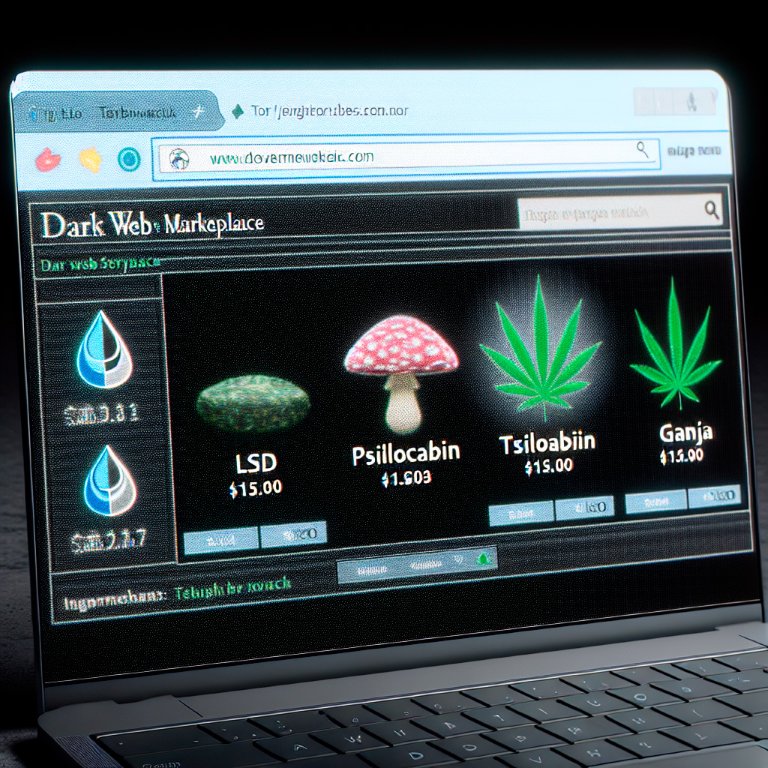
How to Keep Your Darknet Market Links Working
Reliable access to darknet market links is a foundational requirement for sustained commerce. These links, typically .onion URLs, are inherently unstable due to routine administrative rotation and proactive security measures taken by marketplace operators to mitigate DDoS attacks and other threats. Consequently, a static bookmark is an ineffective strategy. Users establish persistent access through dedicated index sites and forum announcements, which function as centralized bulletin boards updated by community moderators with verified, fresh URLs.
The verification of these links is critical to avoid phishing traps. A standard practice involves cross-referencing a new URL across multiple independent forums and trusted community sources. Furthermore, the use of a public PGP key associated with the markets official identity provides cryptographic proof. If the markets welcome page signs its message with a consistent key, the links authenticity is confirmed. This process ensures that users connect to the genuine platform, protecting their credentials and funds.
Once a legitimate connection is established, the mechanisms of the marketplace itself promote continuity. Escrow services and vendor bond systems create a stable economic environment where trust is institutionalized. High-volume vendors with long-standing reputations have a vested interest in the markets permanence, often sharing updated links through encrypted messaging on other platforms. Therefore, reliable access is not merely about finding a URL, but about integrating into the ecosystems trust and communication channels, where information on operational mirrors flows through verified, reputation-based networks.