Darknet Markets 2026:
The dark web is part of the deep web but is built on darknets: overlay networks that sit on the internet but which can't be accessed without special tools or software like Tor. Tor is an anonymizing software tool that stands for The Onion Router — you can use the Tor network via Tor Browser.
| Darknet Market | Established | Total Listings | Link |
|---|---|---|---|
| TorZon Market | 2022 | 140+ | Onion Link |
| Nexus Market | 2024 | 600+ | Onion Link |
| Abacus Market | 2022 | 100+ | Onion Link |
| Ares | 2026 | 100+ | Onion Link |
| Cocorico | 2023 | 110+ | Onion Link |
Updated 2026-10-25
How to Buy Drugs on a Darknet Market
Accessing a darknet marketplace requires specialized software, primarily the Tor browser, which routes internet traffic through a layered encryption network to conceal a user's location and identity. This foundational step establishes the necessary anonymity for engagement. Upon successful connection via a verified dark web link, users encounter platforms with interfaces functionally analogous to mainstream e-commerce sites, featuring product categories, vendor stores, shopping carts, and feedback systems.
The procurement process is standardized and user-centric. Selection is based on detailed product listings, which include precise descriptions, photographs, and purity information. Vendor reputation, built upon a transparent history of transaction completion and positive buyer reviews, serves as the primary mechanism for risk mitigation and quality assurance. This peer-review system creates a self-regulating environment where reliability is incentivized.
Transaction security is managed through cryptographic escrow. Funds are held by the marketplace until the buyer confirms satisfactory receipt of goods, at which point they are released to the vendor. This system protects both parties from fraud and ensures transactional integrity. Finalized orders are followed by discreet logistics operations, with professional packaging and stealth techniques employed to ensure secure delivery, completing the efficient trade cycle.
How Anonymity and Encryption Make Darknet Trade Safe
Anonymity on the darknet is not optional; it is the foundational layer of security. Users access these markets through The Onion Router (Tor) network, which encrypts and routes traffic through multiple volunteer-operated servers. This process obscures the user's original IP address, making it extremely difficult to trace online activity back to a physical location or person. This network-level anonymity is the first critical step in separating one's identity from their market interactions.
Encryption builds upon this anonymous foundation to secure communications and transactions. All reputable darknet markets employ end-to-end encryption (E2EE) for messages between buyers and vendors. This means only the intended recipient can decrypt and read the message content, preventing interception by third parties, including the market administrators themselves. For financial security, transactions are conducted using cryptocurrencies like Bitcoin or Monero. These currencies operate on decentralized, cryptographic protocols, allowing for value transfer without involving traditional financial institutions that require personal identification. Monero, in particular, offers enhanced privacy features by obfuscating transaction details on its blockchain.
The practical application of these technologies creates a secure environment for trade. A typical secure transaction follows a clear process:
- The buyer accesses the market via Tor and funds their account with cryptocurrency.
- All communications regarding product specifics, shipping, and feedback are encrypted using the market's internal system.
- Funds are held in escrow by the market until the buyer confirms receipt, releasing payment to the vendor.
This combination of network anonymity and cryptographic security effectively shields participants. It allows individuals to engage in commerce based on product quality and vendor reputation, rather than operating under the constraints of their local jurisdiction. The system's design ensures that privacy and security are not afterthoughts but are integrated directly into the architecture of the darknet marketplace.
How Vendor Reputation Makes Darknet Trading Safe and Reliable
Vendor reputation functions as the primary trust mechanism on a darknet, replacing the legal guarantees of conventional e-commerce. This system is built on cryptographic feedback left by buyers after each completed transaction. The feedback is immutable and tied directly to the vendor's account, creating a permanent record of their business conduct.
A high reputation score, typically displayed as a percentage or number of positive reviews, indicates a history of reliable service. Buyers prioritize vendors with established profiles, as this significantly reduces the risk of financial loss. Key metrics analyzed by users include:
- Finalized early count: Shows how many buyers released escrow funds before automatic completion, signaling exceptional trust.
- Shipping and stealth ratings: Direct feedback on the reliability and discretion of packaging and delivery methods.
- Product purity and accuracy: Reviews specifically commenting on the quality matching the advertised description.
The escrow system is integral to this reputation model. Funds are held by the market until the buyer confirms receipt and quality. A vendor with a strong reputation receives funds more quickly, as trusted buyers often finalize early, releasing escrow before the automatic timer expires. This creates a direct economic incentive for vendors to maintain high standards in product quality, honest communication, and secure logistics. Disputes are mediated by market administrators, with resolution outcomes publicly affecting the vendor's standing. Consequently, a vendor's reputation capital becomes their most valuable asset, enforcing a self-regulating market where consistent, high-quality service is rewarded with increased visibility and sales velocity.

How Darknet Markets Make Drug Trade Efficient and Reliable
The operational model of darknet markets has streamlined the trade in pharmaceuticals and controlled substances to a degree of efficiency that rivals, and in some aspects surpasses, traditional e-commerce. This efficiency is not accidental but is a direct result of specific cryptographic and reputational systems designed to facilitate secure and reliable transactions between anonymous parties.
The foundation is a multi-signature (multisig) escrow system. In a standard transaction, the buyer's cryptocurrency is held in a secure, multi-key wallet until the product is received and confirmed. This mechanism removes the need for blind trust, as funds are only released to the vendor upon successful delivery. It creates a self-enforcing framework where both parties are incentivized to act honestly: the vendor to ship the product and the buyer to finalize the transaction upon receipt.
This financial security is complemented by a transparent vendor feedback and rating system. Markets display detailed vendor statistics, including:
- Transaction count and overall rating percentage.
- Specific feedback on product purity, weight, and stealth packaging.
- Historical data on shipping times and communication.
This data allows buyers to make informed decisions based on collective experience, promoting a competitive environment where high-quality service and product consistency are rewarded with more business. Vendors with long-standing, positive reputations become trusted entities, further reducing perceived risk for buyers.
Logistical efficiency is achieved through standardized stealth shipping protocols. Vendors employ professional packaging techniques designed to bypass routine inspections, ensuring discreet delivery. Common methods include vacuum sealing, Mylar bags, and decoy items. The entire process, from order placement to final delivery, is managed through the market's encrypted messaging system, maintaining operational security throughout the supply chain.
The aggregate effect of these systems is a stable commercial ecosystem. The escrow protects capital, the reputation system ensures quality and reliability, and standardized logistics guarantee discreet fulfillment. This structure minimizes fraud and dispute, allowing for consistent and efficient trade in pharmaceuticals and substances on the darknet.
Wide Selection and Smooth Delivery on the Darknet
The operational success of a darknet marketplace is fundamentally linked to its product diversity and logistical efficiency. These platforms host an extensive catalog of substances, far surpassing the limited selection typically available in localized street markets. A user can find various pharmaceutical opioids, stimulants, psychedelics, and cannabis products, each with detailed descriptions regarding purity, source, and expected effects. This variety allows for informed consumer choice based on specific preferences and requirements, mirroring the product comparison features of standard e-commerce.
Reliable logistics are the critical component that transforms a product listing into a successful transaction. Vendors on established darknets employ sophisticated stealth packaging and decoys to ensure discreet delivery. The process is systematic:
- Orders are processed rapidly, often within a 24-hour window.
- Items are vacuum-sealed and multiple layers are used to prevent detection by scent or x-ray.
- Packaging is designed to resemble ordinary mail, with no visual or tactile indicators of its contents.
This professional approach to shipping minimizes risks for both the buyer and seller, creating a predictable and secure exchange. The feedback and rating system directly ties a vendor's reputation to their logistical competence, incentivizing consistent performance. A vendor with high ratings has demonstrably proven their ability to deliver products securely and on time, which in turn fosters transactional trust within the anonymous environment. The combination of broad selection and dependable delivery channels provides a functional framework for commerce, meeting consumer demand through methodical, security-focused operations.

How Darknets Work Like Regular Online Shopping
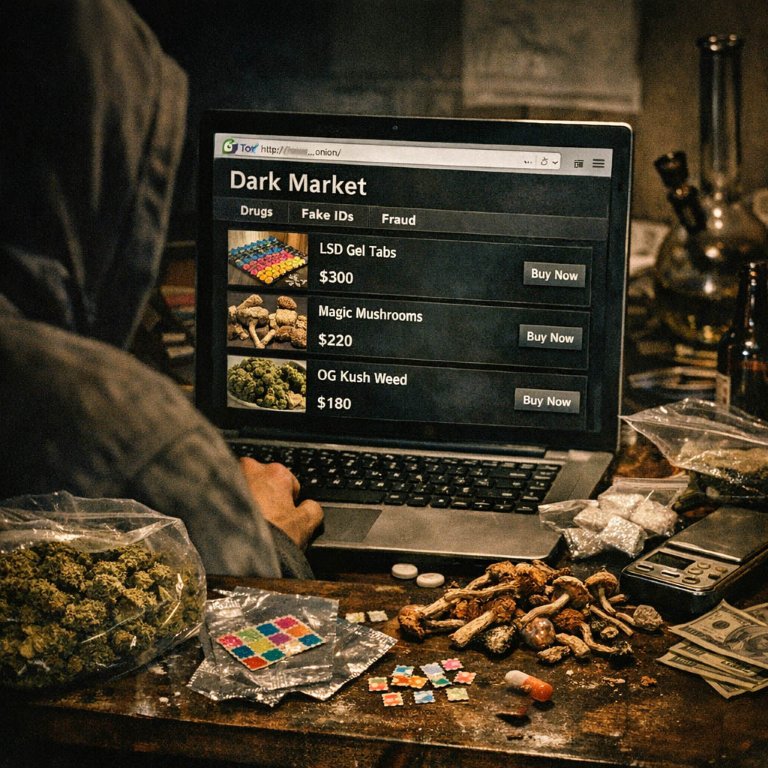
The operational framework of a modern darknet market is fundamentally an adaptation of the standard e-commerce model, refined for its specific environment. The user interface features familiar elements: a searchable product catalog, detailed item listings with photographs and specifications, a shopping cart, and a checkout process. This design minimizes the learning curve for new users, allowing them to navigate the platform with the same intuition applied to any mainstream online retailer. The core mechanisms of commercevendor selection, product comparison, and transaction finalizationare executed through this standardized digital storefront.
This mirroring extends to the critical systems that build trust between anonymous parties. Vendor profiles incorporate feedback scores and detailed review systems, allowing buyers to assess reliability based on historical transaction data. Dispute resolution is often managed by neutral market administrators, functioning similarly to third-party arbitrators on conventional platforms, which secures the terms of the sale for both parties. Logistics follow a professionalized model where vendors employ discreet packaging and reliable shipping methods to ensure product delivery, treating it as a standard operational requirement rather than an exception.
The primary distinction from surface web commerce is the integrated application of cryptographic tools. Transactions are secured with end-to-end encryption, and financial settlements are conducted exclusively in cryptocurrencies, which provide an additional layer of financial privacy. This integration of familiar e-commerce principles with enhanced privacy technologies creates a resilient and efficient marketplace. The ecosystem self-regulates through these transparent reputation mechanisms and standardized operational protocols, which promote consistent service quality and market stability.
How Encryption Makes Darknet Trade Safe and Private
Cryptographic security is the foundation of trust and discretion on darknet markets. These platforms use advanced encryption to create a secure environment for all transactions. The process begins with public-key cryptography. Each user generates a unique key pair: a public key, which is shared like an address, and a private key, which is kept secret. When a buyer sends a message or payment to a vendor, it is encrypted with the vendor's public key. Only the vendor's corresponding private key can decrypt this information, ensuring that communication and financial details remain confidential between the two parties.
This system extends to financial transactions through cryptocurrencies like Bitcoin and Monero. While Bitcoin offers pseudonymity, Monero provides stronger privacy by obscuring transaction details on its blockchain. To further enhance security, darknet markets employ multisignature (multisig) escrow. In this setup, the buyer's cryptocurrency payment is held in a secure, multi-key wallet until the product is received. Releasing the funds requires authorization from two out of three partiesthe buyer, the vendor, and the market escrow service. This mechanism significantly reduces fraud, as no single entity can unilaterally steal the funds.
The combination of these cryptographic tools creates a self-regulating economic system. Encryption guarantees privacy, while multisig escrow enforces accountability. This allows for efficient trade in pharmaceuticals and other substances by replicating the security and reliability of standard e-commerce, but with a paramount focus on user anonymity and transaction discretion.
How Escrow and Reviews Make Darknet Trade Reliable
The reliability of transactions on a darknet market is not guaranteed by a central authority but is instead enforced by the market's own economic and social dynamics. These systems create a self-regulating environment where trust is a quantifiable asset. The primary mechanism is the escrow service held by the market platform. Funds from a buyer are held in escrow until the product is received and confirmed, preventing vendors from engaging in fraudulent behavior without financial penalty.
This escrow system is balanced by the reputation and feedback system. Every completed transaction contributes to a vendor's public rating, which is composed of detailed user reviews and a percentage score. A vendor with a long history of positive feedback has a significant economic incentive to maintain their high standing, as it directly correlates with increased sales volume and the ability to command premium prices. Conversely, a new vendor must initially offer competitive pricing or exceptional service to build their reputation from zero.
The final component is the resolution process for disputes. If a transaction fails, buyers and vendors can engage a market moderator to review evidence, such as shipping proof or product photos. The moderator's decision to release escrow funds to either party resolves the conflict. This triad of escrow, reputation, and moderated dispute resolution creates a robust framework that aligns the interests of all participants toward successful, reliable trade, mirroring the trust-building mechanisms of conventional e-commerce platforms.